What is satellite-to-phone connectivity? Learn how direct-to-cell technology works, its benefits, limitations, and what it means for mobile users.
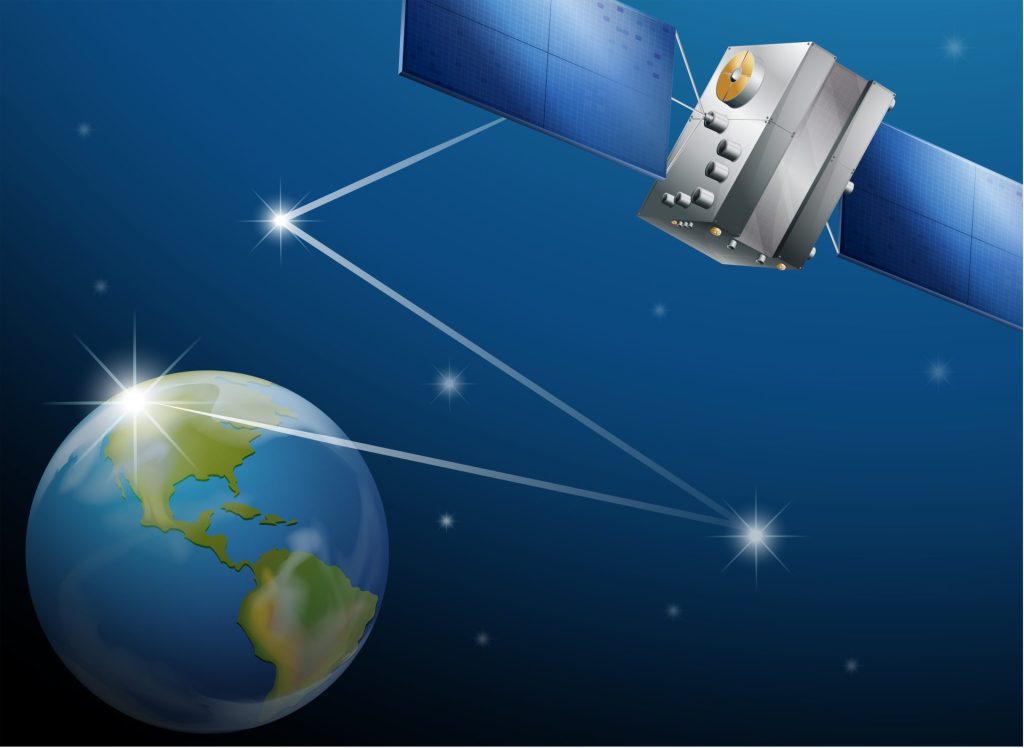
Mobile networks have made communication easier, but cellular coverage can still disappear in remote mountains, forests, deserts, and offshore areas. Satellite-to-phone connectivity aims to bridge some of these gaps by allowing compatible smartphones to communicate through satellites when conventional mobile networks are unavailable.
So, what is satellite-to-phone connectivity, and can it replace traditional mobile service? The technology is expanding the possibilities for staying connected, although its capabilities and availability depend on the device, network provider, and location.
What Is Satellite-to-Phone Connectivity?
Satellite-to-phone connectivity is a technology that enables a smartphone to communicate directly with a satellite instead of relying entirely on a nearby cellular tower. It is also known as direct-to-cell or direct-to-device connectivity.
Some services use satellites to provide basic messaging or emergency communications, while newer direct-to-cell networks aim to support selected apps and broader mobile services.
It is important to distinguish direct-to-cell connectivity from traditional satellite phones. Conventional satellite phones are purpose-built devices, whereas direct-to-cell services are designed to work with compatible ordinary smartphones.
How Does Satellite-to-Phone Connectivity Work?
Traditional mobile phones communicate with ground-based cell towers. Satellite-to-phone systems add satellites as another connection point when terrestrial coverage is unavailable.
Here is how the process generally works:
- Your phone searches for a connection. When a supported cellular network is unavailable, a compatible phone may connect to an eligible satellite service.
- The phone communicates with a satellite. The satellite receives the phone’s radio signal and relays it through the satellite network.
- The network routes the communication. Depending on the service, messages or data travel through ground infrastructure and the relevant mobile network to reach their destination.
- The recipient receives the message or data. Delivery may take longer than on a conventional cellular connection, depending on signal conditions and network capacity.
Some direct-to-cell systems use satellites equipped with cellular radio technology to communicate with phones using supported mobile-network protocols. Other smartphone satellite features use dedicated hardware and specialized communication methods.
An unobstructed view of the sky often improves the connection. Buildings, dense vegetation, terrain, and atmospheric or network conditions can affect performance.
What Can You Do With Satellite-to-Phone Connectivity?
Capabilities vary by provider, country, device, and service plan. Depending on the implementation, users may be able to:
- Send messages: Exchange text messages in areas without conventional cellular coverage.
- Access emergency assistance: Use supported satellite emergency features to contact emergency services or share location information.
- Use selected apps: Access specific messaging, mapping, weather, or other applications over supported satellite connections.
- Access broader mobile services: Some networks are developing or expanding support for voice calls and more extensive data services.
These capabilities should not be treated as universal. A service offering satellite messaging does not automatically support ordinary voice calls, unrestricted internet browsing, or every mobile application.
Benefits and Limitations of Satellite Connectivity
The main benefit is additional connectivity in places where cell towers cannot provide coverage. It can be valuable for hikers, travelers, outdoor workers, and people facing emergencies in remote locations.
However, satellite connectivity has important limitations:
- Limited coverage: Availability depends on satellite coverage, local regulations, and agreements with mobile operators.
- Device compatibility: Not every smartphone supports every satellite service.
- Slower or delayed communication: Limited network capacity can make messages or data slower than conventional mobile service.
- Environmental obstacles: Buildings, mountains, and other obstructions may interfere with satellite connections.
- Service restrictions: Some features require a supported carrier, subscription, operating-system version, or eligible country.
Satellite connectivity is therefore a complement to terrestrial networks, not a guaranteed replacement for them.
Is Satellite-to-Phone Connectivity Available in Nepal?
Availability in Nepal depends on local regulatory approval, participating mobile operators, and the specific satellite service. A provider’s international partnerships or global coverage claims do not automatically mean its service is available to Nepali users.
Before relying on satellite connectivity while trekking or traveling in remote parts of Nepal, check the provider’s current coverage information and your phone’s supported features. For emergencies, carry appropriate backup communication equipment when your route or circumstances warrant it.
Conclusion
What is satellite-to-phone connectivity? It is an emerging approach to mobile communication that allows compatible phones to connect through satellites when conventional cellular coverage is unavailable.
Although capabilities are expanding beyond emergency messaging, performance, availability, and device support still vary. For users in remote areas, it offers a useful additional connection option—but checking local availability and understanding its limitations remain essential.
External Sources/Links
- Starlink Mobile — Official information about direct-to-cell satellite services, capabilities, and mobile operator partnerships.
- T-Mobile T-Satellite — An operational example of satellite connectivity for compatible smartphones, including service limitations.
- Apple Support: Use Emergency SOS via Satellite on Your iPhone — Official device requirements and supported-country information for Apple’s satellite emergency feature.
-
FAQs
1. Does satellite-to-phone connectivity work on every smartphone?
No. Compatibility depends on the satellite provider, phone hardware, software version, and supported mobile network.
2. Can I make regular phone calls through satellites?
Some services support selected communication apps, while others focus on messaging or emergency features. Native voice calling depends on the specific network and service.
3. Does satellite-to-phone connectivity require a separate satellite dish?
Direct-to-cell services are designed to connect compatible smartphones to satellites without a separate dish. Other satellite internet services may require dedicated equipment.
4. Can I use satellite connectivity in Nepal?
Only if the relevant service is authorized and available in Nepal and supports your device. Check current provider coverage and local availability before relying on it.
5. Is satellite-to-phone connectivity the same as satellite internet?
Not exactly. Satellite-to-phone connectivity links compatible smartphones directly to satellites, often through mobile operators. Traditional satellite internet typically uses dedicated user equipment, such as a dish or terminal, to provide internet access.