Learn how to choose wireless earbuds by comparing sound quality, battery life, ANC, fit, Bluetooth connectivity, water resistance, and essential features.
Wireless earbuds have become a popular choice for listening to music, attending online meetings, making calls, and enjoying entertainment on the go. Without cables connecting them to a phone or computer, they offer convenience and portability for everyday use.
However, choosing the right wireless earbuds involves more than comparing prices or brand names. Sound quality, battery life, comfort, noise cancellation, and connectivity all affect the listening experience. This buying guide explains what to consider before making a purchase.
What Are Wireless Earbuds?
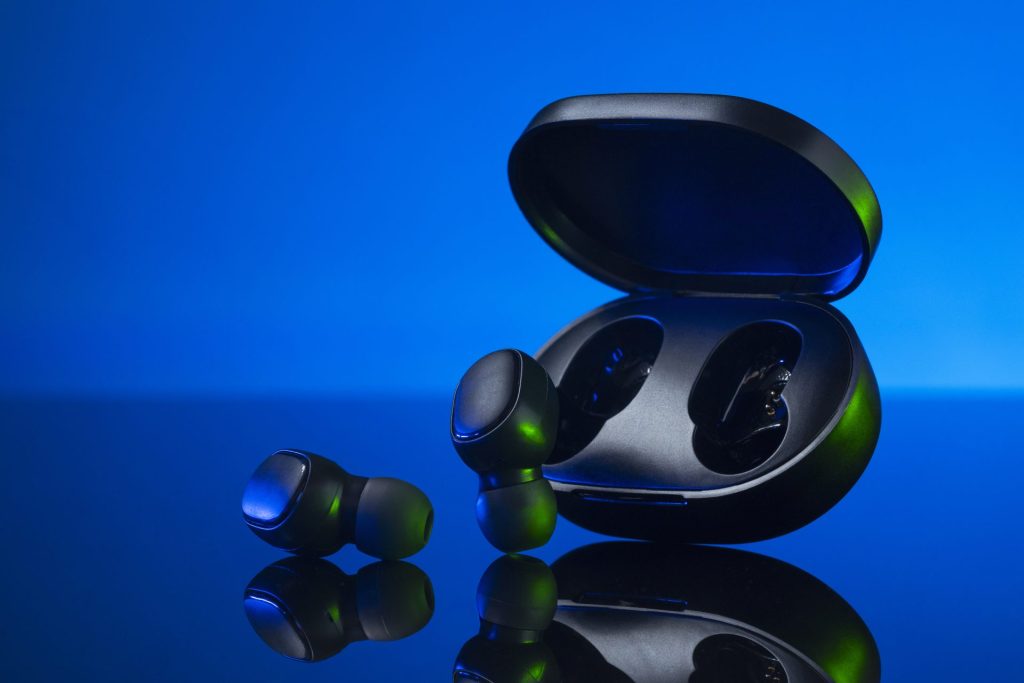
Wireless earbuds are compact audio devices that connect to smartphones, laptops, tablets, and other compatible devices, typically through Bluetooth. Most true wireless stereo (TWS) earbuds consist of two independent earpieces and a charging case.
The earbuds receive audio wirelessly, while the charging case stores and recharges them when not in use. Some models also include built-in microphones, touch controls, voice assistants, and noise-cancellation technology.
How to Choose the Best Wireless Earbuds
Before buying wireless earbuds, consider these important features.
1. Sound Quality
Sound quality should be one of your primary considerations. Look for balanced audio with clear vocals, controlled bass, and detailed high frequencies.
Pay attention to supported Bluetooth audio codecs, such as SBC, AAC, and LDAC. Codecs determine how digital audio is encoded and transmitted between devices. However, both the earbuds and the connected device must support a particular codec to use it.
Also, remember that sound quality depends on more than codec support. Driver design, acoustic tuning, and earbud fit all contribute to the listening experience.
2. Battery Life and Charging
Battery life determines how long you can use your earbuds before recharging them. Manufacturers commonly advertise separate figures for earbud playback and total playback with the charging case.
Consider the following:
- Earbud battery life: How long the earbuds operate on one charge.
- Charging case capacity: How many additional charges the case provides.
- Fast charging: Whether a short charging session provides additional listening time.
- USB-C charging: A convenient charging standard supported by many modern devices.
Remember that features such as active noise cancellation and higher listening volumes can affect actual battery life.
3. Active Noise Cancellation (ANC)
Active Noise Cancellation uses microphones and electronic processing to generate sound that reduces unwanted external noise.
ANC is particularly useful when travelling, commuting, or working in noisy environments. Some earbuds also offer transparency mode, which allows outside sounds to pass through so you can hear conversations and announcements without removing them.
However, ANC performance varies between models, and a good physical fit also plays an important role.
4. Comfort and Fit
Comfort is essential, especially if you plan to wear earbuds for extended periods.
Most in-ear models include interchangeable silicone ear tips in different sizes. Choose a pair that fits securely without creating uncomfortable pressure.
Some earbuds use an open-fit design instead of sealing the ear canal. These may feel more comfortable for certain users, although they generally provide less passive noise isolation.
5. Bluetooth Connectivity and Compatibility
Check the Bluetooth version and supported features before purchasing. Newer Bluetooth technologies can introduce improvements in power efficiency and connectivity, but actual performance depends on the implementation in both connected devices.
You may also want:
- Multipoint connectivity: Connect compatible earbuds to two devices simultaneously.
- Low-latency mode: Helps reduce audio delay during gaming and video playback.
- Stable pairing: Makes reconnecting to previously paired devices easier.
Bluetooth LE Audio also introduces features such as the LC3 audio codec and Auracast broadcast audio, although support depends on compatible hardware and software.
6. Water and Sweat Resistance
If you plan to use earbuds while exercising or travelling, check their IP (Ingress Protection) rating.
For example, IPX4 indicates protection against water splashes from any direction. Higher ratings can provide additional protection under specified testing conditions.
Water resistance does not mean completely waterproof. Always check the manufacturer’s guidance before exposing earbuds to rain, sweat, or water.
7. Microphone and Call Quality
If you frequently attend online meetings or make phone calls, microphone quality matters.
Look for earbuds with multiple microphones and noise-reduction features designed to improve voice pickup. However, microphone performance can vary significantly depending on background noise, wind, and the surrounding environment.
Reading independent microphone tests can help you evaluate real-world performance.
Which Wireless Earbuds Should You Choose?
Your ideal earbuds depend on how you intend to use them.
- Students: Prioritise affordability, comfortable fit, and reliable battery life.
- Professionals: Look for good microphone quality, multipoint connectivity, and effective ANC.
- Fitness enthusiasts: Choose a secure fit and suitable water and sweat resistance.
- Music enthusiasts: Focus on sound quality, supported codecs, and audio customisation.
- Frequent travellers: Consider ANC, battery life, and a compact charging case.
Conclusion
Choosing the right wireless earbuds requires balancing sound quality, comfort, battery life, connectivity, and additional features.
Rather than paying extra for specifications you may never use, consider your listening habits and daily requirements. A well-chosen pair of wireless earbuds can make music, communication, entertainment, and everyday activities more convenient.
External Sources/Links
1. Bluetooth SIG – LE Audio: Official explanation of Bluetooth LE Audio, LC3 codecs, and Auracast technology.
2. Apple Support – Active Noise Cancellation and Transparency: Explains how ANC and transparency modes work.
3. Sony Support – Earbud Buying Considerations: Covers battery life, noise cancellation, multipoint connectivity, and water resistance.
4. Sony Support – IP Ratings Explained: Provides information about water and dust protection ratings.
FAQs
1. How long should wireless earbuds last on a single charge?
Battery life varies by model. Many earbuds offer several hours of playback per charge, with additional charges available through the charging case. ANC and volume levels can affect usage time.
2. Are wireless earbuds with ANC worth buying?
ANC earbuds are useful for reducing background noise during travel, commuting, and office work. They may be less necessary if you primarily listen in quiet environments.
3. What is the difference between wireless earbuds and TWS earbuds?
Wireless earbuds connect to devices without an audio cable. TWS (True Wireless Stereo) earbuds go further by having two independent earpieces with no cable connecting them to each other.