Learn how direct-to-device satellite communication connects smartphones to satellites, how the technology works, and why it matters for remote connectivity.
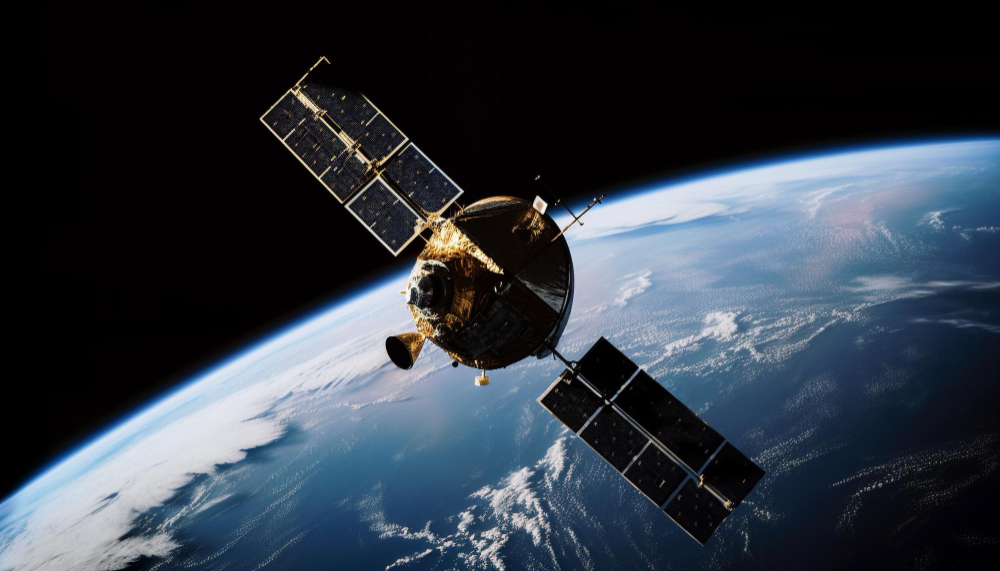
Imagine being somewhere with no mobile tower nearby—perhaps on a mountain trail, in a remote village, or in an area where a natural disaster has damaged communication infrastructure. Your phone may still be able to connect to a satellite directly.
That is the basic idea behind direct-to-device satellite communication. Instead of relying entirely on a nearby cell tower, compatible phones can communicate with satellites orbiting above Earth. The technology could help extend mobile connectivity to places where traditional networks cannot easily reach.
What Is Direct-to-Device Satellite Communication?
Direct-to-device, often shortened to D2D, is a form of satellite communication designed to connect satellites directly with mobile devices.
Traditional satellite communication often requires specialized equipment, such as a satellite phone or a dedicated terminal. D2D technology aims to use ordinary mobile devices, depending on the satellite network, spectrum, device hardware, and service being offered.
Depending on the system, direct-to-device services can support things such as text messages, emergency communication, voice, or data. Not every D2D service supports all of these features.
How Does Direct-to-Device Satellite Communication Work?
The basic process is similar to using a normal mobile network, except a satellite takes the place of a nearby cell tower.
1. Your phone sends a signal
When there is no suitable terrestrial mobile coverage, a compatible phone can search for an available satellite connection.
The phone communicates using radio signals, just as it does with a cellular network.
2. The satellite receives the signal
The satellite receives the phone’s relatively weak signal from space. Many emerging D2D systems use low Earth orbit (LEO) satellites, which operate much closer to Earth than traditional geostationary satellites.
3. The satellite passes the signal to the network
The satellite can relay the communication to a ground station or gateway. From there, the signal can enter the operator’s existing telecommunications network.
4. The network delivers the communication
Once the signal reaches the wider network, it can be routed to another phone, a messaging service, an emergency service, or another destination supported by the particular D2D system.
So, in simple terms:
Phone → Satellite → Ground network → Destination
The reverse process allows information to travel back to the phone.
Do You Need a Special Phone?
It depends on the service.
Some direct-to-device systems are designed to work with existing mobile phones, while others may require specific hardware, chipsets, or network support.
The technology is also being standardized through 3GPP’s Non-Terrestrial Network (NTN) specifications, which are designed to bring satellite connectivity closer to conventional cellular networks.
This means compatibility cannot be determined simply by asking whether a phone is “5G” or “satellite-ready.” The device, cellular network, satellite operator, spectrum, and service all need to work together.
What Are the Limitations?
Direct-to-device satellite communication is useful, but it does not simply replace conventional cell towers.
A phone communicating with a satellite has a much longer radio path than a normal connection to a nearby terrestrial tower. Capacity is also limited compared with the dense cellular networks used in cities.
The surrounding environment matters too. Buildings, mountains, trees, and other obstacles can interfere with a phone’s ability to maintain a satellite connection. In many cases, having a reasonably clear view of the sky is important.
Regulation is another consideration. Satellite operators and mobile networks must coordinate spectrum use to prevent harmful interference and comply with local rules.
Why Does D2D Matter?
The biggest potential benefit of direct-to-device technology is connectivity outside traditional mobile coverage.
It could provide another communication option for people in remote areas, travelers, outdoor users, and communities affected by network outages or natural disasters.
For mobile operators, D2D can also act as an additional layer alongside existing cellular infrastructure rather than replacing terrestrial networks.
For users, the long-term goal is simple: a phone that can remain connected in more places, even when a conventional cell tower is out of reach.
Conclusion
Direct to device satellite communication works by allowing compatible mobile devices to communicate with satellites when traditional cellular coverage is unavailable. The satellite receives the phone’s signal and relays it through a wider communications network.
The technology is still developing, and its capabilities vary between providers and devices. However, as satellite and cellular networks become more closely connected, D2D could make mobile communication possible in places where traditional networks cannot provide reliable coverage.