Learn what a Digital Twin is, how it works, what technologies power it, and how businesses use digital twins for monitoring, simulation, and decision-making.
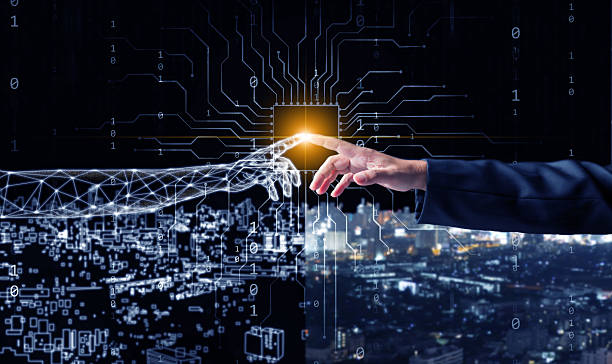
A Digital Twin is a computer-based representation of a real-world object, system, process, or environment. It can use data from its physical counterpart to show its current condition, simulate how it may behave, and help people make better decisions.
For example, a factory could create a digital twin of a machine and use sensor data to monitor its temperature, vibration, performance, and operating conditions. Engineers can then study the digital model without constantly testing the physical machine.
Digital twins are used in areas such as manufacturing, engineering, buildings, transportation, healthcare, and smart-city projects. The International Organization for Standardization (ISO) has published standards covering digital-twin concepts, terminology, use cases, and architecture.
What Is a Digital Twin?
In simple terms, a Digital Twin is a digital representation of something that exists in the real world.
However, it is more than a basic 3D model or a digital drawing. A useful digital twin can be connected to real-world data and updated as the physical object or system changes.
The U.S. National Institute of Standards and Technology (NIST) describes a digital twin as a virtual representation of a physical or perceived real-world entity. NIST also highlights modeling, simulation, monitoring, prediction, and decision support as important aspects of digital-twin technology.
How Does a Digital Twin Work?
A Digital Twin generally brings together several technologies:
-
Sensors: Collect information such as temperature, pressure, location, speed, or vibration from the physical object.
-
Connectivity: Transfers that information to software systems where it can be stored and processed.
-
Digital models: Represent the structure, behavior, or condition of the physical system.
-
Analytics and simulation: Analyze current data and model possible future conditions.
-
Visualization: Presents information through dashboards, 3D models, or other interfaces.
Consider a wind turbine as an example. Sensors can send operational data to its digital twin. Engineers can monitor the turbine remotely, identify unusual behavior, and simulate different operating conditions.
Not every digital twin operates in exactly the same way. The level of connectivity, data frequency, modeling, and interaction depends on the application.
What Are Digital Twins Used For?
Digital twins can be useful throughout the lifecycle of a product or system.
Manufacturing
Manufacturers can create digital representations of machines, production lines, or entire processes. Engineers can use them to analyze operations and test changes before applying them to physical equipment.
Predictive Maintenance
A digital twin can combine sensor readings with models and historical information to help identify conditions that may indicate a developing problem. This can support maintenance planning, although the accuracy depends heavily on the quality of the data and models.
Buildings and Infrastructure
Digital twins can represent buildings, infrastructure, or other complex environments. They can help organizations monitor systems, study performance, and evaluate possible changes.
Smart Cities
Digital twins can also be used to model larger systems, including transportation and urban infrastructure. ISO identifies smart manufacturing and smart cities among representative digital-twin application areas.
What Is the Difference Between a Digital Twin and a 3D Model?
A 3D model mainly represents the appearance or geometry of an object. A Digital Twin can go much further by connecting the digital representation with real-world data, behavior, models, and lifecycle information.
For example, a 3D model of a building can show its structure. A digital twin could additionally incorporate information about equipment, environmental conditions, system performance, and other relevant data.
Why Does Digital Twin Technology Matter?
The main value of a Digital Twin is that it gives people a way to understand and analyze physical systems through digital tools.
Organizations can use digital twins for monitoring, simulation, optimization, and decision support. NIST notes that forecasting and predicting future states or behaviors are important capabilities of digital-twin systems.
At the same time, digital twins introduce challenges involving data quality, interoperability, cybersecurity, privacy, and trust. NIST’s 2025 report specifically examines security and trust considerations surrounding the technology.
Conclusion
A Digital Twin connects a digital representation with information about a real-world object, process, or system. By combining sensors, connectivity, software models, analytics, and simulation, it can help organizations understand what is happening and explore what could happen next.
As digital-twin standards and technologies continue to develop, the concept is becoming useful across industries—from individual machines to complex infrastructure and larger systems.