The latest figures show a notable shift in QR payment activity in Nepal. The number of transactions increased from Shrawan to Bhadra, while the total value declined by more than Rs. 25 billion.
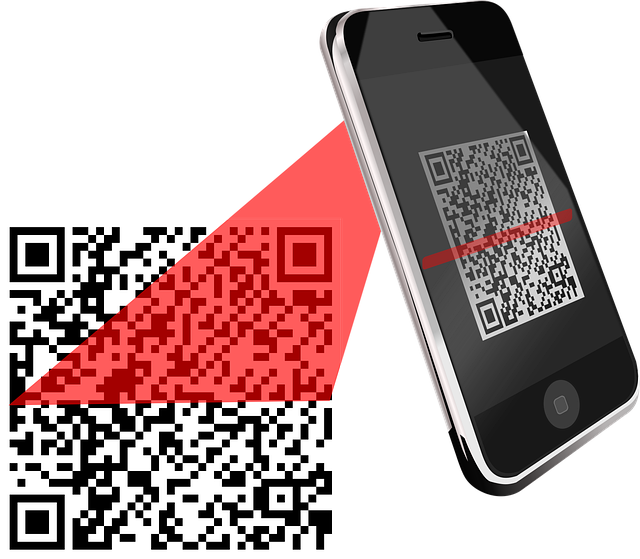
QR code payments in Nepal recorded an interesting trend during the second month of the current fiscal year 2083/84. While the number of QR code transactions increased, the total value of those transactions declined.
According to the monthly payment system indicators released by Nepal Rastra Bank (NRB), QR-based payments saw a noticeable rise in transaction volume through the end of Bhadra, while the total transaction amount fell compared with the previous month.
QR Payment Value Drops by Rs. 25.47 Billion
The total value of QR code transactions increased by Rs. 26.775 billion between the end of Ashadh and the end of Shrawan, reaching Rs. 189.906 billion.
However, the figure declined during the following month. By the end of Bhadra, the total value of QR transactions had fallen by Rs. 25.479 billion from the Shrawan level, reaching approximately Rs. 164.429 billion.
In other words, users made more QR payments in terms of transaction count, but the total amount transferred through QR payments was lower in Bhadra.
Number of QR Transactions Continues to Grow
Despite the decline in transaction value, the number of QR payments continued to increase.
Between the end of Ashadh and Shrawan, the number of QR transactions increased by 5,969,770, reaching a total of 69,589,977 transactions.
The upward trend continued through Bhadra. According to the NRB report, the number of transactions increased by another 2,893,325, bringing the total to 72,438,302 transactions by the end of Bhadra.
More Transactions, But Lower Average Value
The latest figures show a notable shift in QR payment activity in Nepal. The number of transactions increased from Shrawan to Bhadra, while the total value declined by more than Rs. 25 billion.
This suggests that, during the period covered by the report, QR payments were being used more frequently but the overall value processed through those transactions was lower.
QR payments have become an increasingly common part of Nepal’s digital payment ecosystem, allowing consumers to make payments directly through mobile banking and digital wallet applications.
The figures from Nepal Rastra Bank provide a snapshot of how the country’s digital payment habits are changing as QR-based transactions continue to expand.