Learn what a digital wallet is, how it works, how payments are secured, and how digital wallets are used for everyday payments in Nepal and worldwide.
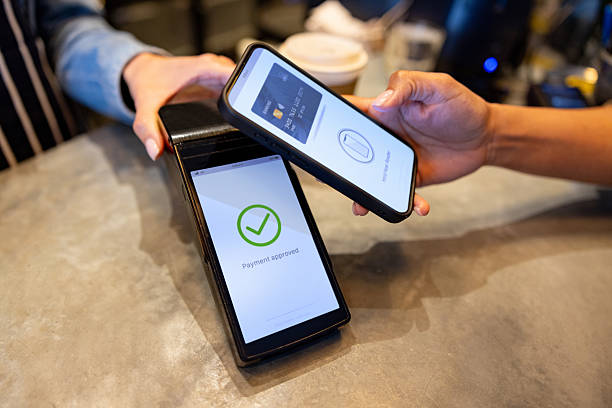
A digital wallet is a software-based service that lets you store, manage and use payment credentials or money electronically. Instead of carrying cash or a physical card for every transaction, you can use a smartphone or other connected device to make payments.
Digital wallets are now used for everything from online purchases and bill payments to contactless payments and QR-code transactions. However, the way they work depends on the type of wallet and the payment system behind it.
What Is a Digital Wallet?
A digital wallet is an electronic service that can hold payment information, such as card credentials, or, in some systems, an actual wallet balance.
There are two broad categories. Device-based wallets, such as Apple Wallet and similar services, can store payment credentials for cards and enable payments through compatible devices. Account-based wallets, commonly offered by payment service providers, can maintain a balance that users can fund and spend.
In Nepal, Nepal Rastra Bank describes an electronic wallet as an electronic account issued by an approved payment service provider. Users can load funds into the wallet and use them to pay for goods and services.
How Does a Digital Wallet Work?
The exact process varies, but a typical digital payment follows several steps.
1. You add money or a payment method
Depending on the wallet, you may link a debit or credit card, connect a bank account, or add money through an approved method.
For card-based wallets, the payment provider may verify the card with the issuing bank or payment network before allowing it to be used. Apple, for example, says its card provisioning process involves the card issuer or payment network approving the card before it is added to Apple Wallet.
2. The wallet protects payment information
A major part of modern digital payments is tokenisation. Instead of exposing the original card number, a payment system can replace it with a separate digital token.
EMVCo explains that payment tokens can be restricted to a particular device, merchant or payment scenario. This reduces the usefulness of stolen payment information compared with exposing the original card number.
3. You authenticate the payment
The wallet may ask you to confirm the transaction using a PIN, password, fingerprint, facial recognition or another authentication method.
For contactless payments, technologies such as NFC (Near Field Communication) allow a compatible phone or wearable to communicate with a payment terminal over a short distance.
4. The transaction is authorised
The payment information is sent through the relevant payment network or wallet provider to the financial institution responsible for approving the transaction.
Some mobile payment systems also use transaction-specific security codes. Apple, for example, says Apple Pay uses a Device Account Number together with a dynamic security code rather than sending the actual card number to the merchant.
Why Do Digital Wallets Matter?
Digital wallets can make everyday payments faster and more convenient. They can also reduce the need to repeatedly enter card details when shopping online or carrying multiple physical cards.
Security is another important benefit, although a digital wallet is not automatically risk-free. Users should protect their phone, wallet account and authentication credentials, enable available security features, and avoid entering payment information into suspicious websites or apps.
In Nepal, digital wallets operate within a regulated payment ecosystem. Nepal Rastra Bank’s Payment Systems Department licenses and oversees payment service providers and payment system operators.
Digital Wallet vs Mobile Banking
A digital wallet and a mobile banking app are not necessarily the same thing.
A mobile banking app primarily provides access to a bank account and banking services. A digital wallet is designed around electronic payments and may hold a wallet balance or payment credentials.
Some financial apps can offer features associated with both, so the distinction depends on the service.
Conclusion
A digital wallet is essentially a digital way to manage payment credentials or money and use them for electronic transactions. Behind the simple tap, scan or click are technologies such as authentication, encryption, tokenisation and payment networks.
For users, the important takeaway is that digital wallets are more than digital versions of physical wallets: they combine payment convenience with security technologies designed to protect sensitive financial information.
External Sources/Links
-
EMVCo — Payment Tokenisation — Technical explanation of payment tokenisation.
- Apple — Apple Pay Security and Privacy — Example of how a device-based digital wallet protects card information.
- Nepal Rastra Bank — Payment Systems Department — Nepal’s payment-system regulatory framework.
- Nepal Rastra Bank — What Is an Electronic Wallet? — Official Nepal-specific explanation.
FAQs
Is a digital wallet the same as a bank account?
No. A digital wallet and bank account are different services, although a wallet may be connected to or funded through a bank account.
Is a digital wallet safe?
Digital wallets use security measures such as authentication and, in many payment systems, tokenisation. However, users still need to protect their devices, passwords and authentication credentials.
Can I use a digital wallet without a bank account?
It depends on the specific wallet and country. Some account-based wallets can be funded through supported agents or other payment methods rather than directly through a traditional bank account.
What technology do contactless digital wallets use?
Many contactless mobile payments use NFC, which allows a compatible device to communicate wirelessly with a payment terminal over a short distance.