Learn what Matter is, how the smart-home standard works, which devices support it, and how it helps connect smart devices across different brands.
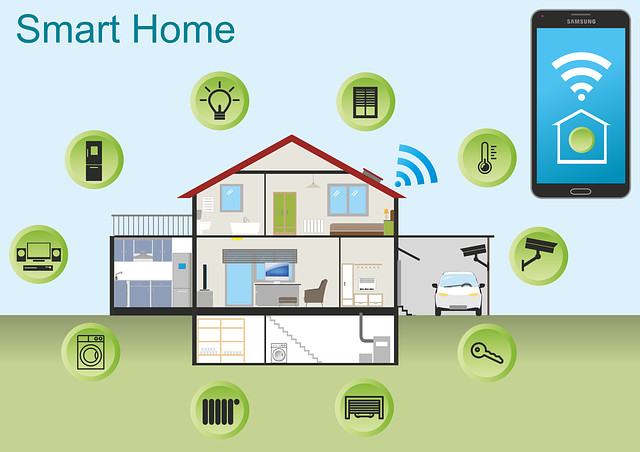
Smart homes often involve devices from different brands, apps, and ecosystems. A smart bulb might work with one platform but not another, making it harder to build a connected home. Matter aims to solve this problem by helping compatible smart-home devices work together across supported platforms.
But what is Matter, how does it work, and what should you know before buying Matter-compatible devices?
What Is Matter? The Smart-Home Standard Explained
Matter is an open smart-home connectivity standard developed by the Connectivity Standards Alliance (CSA), an industry organization whose members include technology companies and device manufacturers.
Its primary goal is interoperability: enabling compatible smart-home products from different manufacturers to communicate using a common standard. Matter is supported by major smart-home ecosystems, including Apple Home, Google Home, and Amazon Alexa, although specific device and feature support varies.
Matter is not a smart-home app, a voice assistant, or a wireless network itself. Instead, it defines how compatible devices communicate and represent their functions so supported controllers and platforms can manage them.
For example, a Matter-certified smart light may work with more than one supported smart-home ecosystem, giving users greater flexibility when choosing devices and controllers.
How Does Matter Work?
Matter operates over Internet Protocol (IP), the networking technology used by modern internet-connected devices. It is designed to support local communication, allowing compatible devices to exchange commands over a home network without always sending them through a manufacturer’s cloud service.
Matter uses several networking technologies:
- Wi-Fi: Suitable for devices that need a conventional wireless network, such as smart appliances and some controllers.
- Ethernet: Provides a wired network connection for supported devices.
- Thread: A low-power wireless mesh networking technology designed for connected devices such as sensors, locks, and certain smart lights.
Bluetooth Low Energy (BLE) can also be used during setup to help commission a device onto a network. It is not the main protocol for routine Matter communication.
Some Thread-based Matter devices require a Thread border router to connect their Thread network to the rest of the IP network. Depending on the platform, a compatible smart-home hub or controller may also be needed for setup, automation, and remote access.
What Devices Support Matter?
Matter supports a growing range of smart-home device categories. Depending on the product, platform, and supported specification version, these can include:
- Smart bulbs, switches, dimmers, and plugs
- Door locks and compatible security devices
- Thermostats and climate-control equipment
- Motion, contact, and environmental sensors
- Smart blinds and window coverings
- Selected appliances and media devices
Support is not universal across every product in a category. A device may support Matter for basic controls while offering additional features only through its manufacturer’s app or a particular smart-home platform.
Before buying, check for the Matter logo and confirm that the exact device model supports the functions you need.
Why Does Matter Matter for Smart Homes?
Matter can make building a smart home simpler in several ways.
Greater compatibility: Users have more flexibility to combine supported devices from different manufacturers and control them through compatible ecosystems.
Local control: Supported commands can travel across the local network, potentially reducing dependence on cloud services and improving responsiveness. Remote access and some advanced features may still require an internet connection or platform services.
Simpler setup: Standardized commissioning helps make adding compatible devices more consistent across supported platforms.
More choice: Users may be able to change their preferred smart-home platform without replacing every Matter-compatible device.
However, Matter does not guarantee that every feature works identically across platforms. Device certification, software updates, network requirements, and ecosystem support still matter.
Should You Buy Matter-Compatible Devices?
Matter is worth considering if you want to build a smart home gradually or combine products from multiple brands. It is particularly useful when choosing devices that you may want to control through different supported ecosystems in the future.
Before purchasing, check three things: whether the device is Matter-certified, whether your chosen platform supports its device type, and whether you need a compatible hub or Thread border router.
For buyers in Nepal and elsewhere, also check local availability, warranty coverage, power compatibility, and whether the manufacturer’s app and services are supported in your region.
Conclusion
So, what is Matter? It is a smart-home connectivity standard designed to help compatible devices from different brands work together through supported ecosystems.
By standardizing communication and enabling local control, Matter can reduce some of the friction involved in setting up a connected home. Still, compatibility depends on the specific device, platform, and features supported. Checking those details before buying remains essential.
External Sources/Links
-
Connectivity Standards Alliance(CSA) — Official organization responsible for the Matter standard and certification ecosystem.
Google Home Developers: What IsMatter?—TechnicaloverviewofMatter,interoperability,andlocalcommunication.
FAQs
1. Is Matter the same as Wi-Fi?
No. Matter is a communication standard for smart-home devices, while Wi-Fi is a networking technology. Matter can operate over Wi-Fi, Ethernet, or Thread.
2. Do Matter devices work with Apple Home and Google Home?
Many Matter-certified devices can work with both platforms, provided the device type and required features are supported. Some features may vary between ecosystems.
3. Does Matter require an internet connection?
Matter devices can communicate locally without routing every command through the internet. However, remote control, cloud-based features, and some automations may require an internet connection or a compatible hub.
4. Do I need a Matter hub?
Not always for every function. Requirements depend on the device, networking technology, and smart-home platform. Thread-based devices generally need a Thread border router, while remote access and platform-specific features may require a compatible hub or controller.
5. Can older smart-home devices use Matter?
Some existing devices can gain Matter support through manufacturer firmware updates. Others may work through a compatible bridge, while devices without an upgrade path may remain incompatible. Check the manufacturer’s official documentation for your specific model.