Learn how digital payment works in Nepal, from mobile banking and QR codes to wallets, payment networks, clearing, settlement, and security.
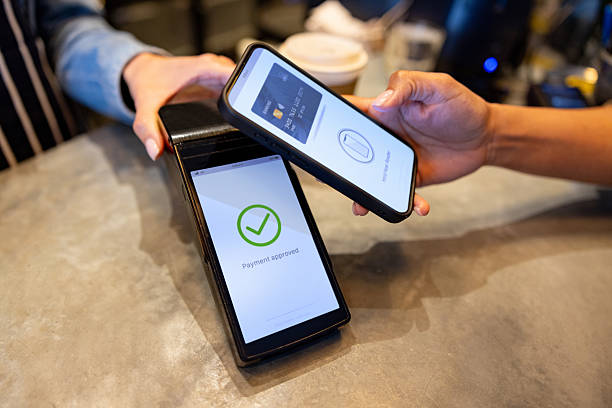
Think about the last time you paid for a meal by scanning a QR code or sent money to a friend using your phone. It probably took only a few seconds.
But behind that simple tap is a network of banks, payment companies, apps, and financial systems working together. So, how does digital payment work in Nepal, and what actually happens to your money after you press Pay?
Let’s break it down.
What Is a Digital Payment?
A digital payment is simply a way of transferring or paying money electronically instead of using physical cash.
In Nepal, you can make digital payments through mobile banking apps, digital wallets, QR codes, cards, bank transfers, and online payment services. Nepal Rastra Bank regulates payment service providers and payment system operators, while also operating the country’s Real Time Gross Settlement (RTGS) system.
Although these payment methods look different, they all have the same basic purpose: moving money securely from one person or business to another.
How Does Digital Payment Work in Nepal?
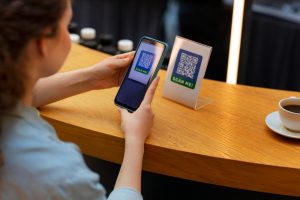
Let’s say you’re at a restaurant and decide to pay the bill using a QR code.
1. You start the payment
You open your bank’s mobile app or digital wallet and scan the restaurant’s QR code.
The QR code contains information that tells the payment system where the money should go. With a static QR, you may have to enter the amount yourself. A dynamic QR can include transaction-specific information, such as the amount.
From your perspective, this is just a quick camera scan. But it gives the payment system the information it needs to identify the recipient.
2. You check and approve it
Your app then shows the payment details.
Before tapping Pay, you should check the merchant name and amount. Depending on the service you’re using, you may need to confirm the transaction with a PIN, password, OTP, or another authentication method.
This is an important distinction: scanning a QR code doesn’t send your money by itself. You still have to authorize the transaction.
3. Your payment travels through the system
Once you approve the payment, your bank or wallet sends the transaction through the appropriate payment infrastructure.
This is where things get more technical.
Nepal has several systems supporting different types of payments. connectIPS, for example, supports retail fund transfers and payments, while Nepal Clearing House also operates infrastructure such as NCHL-IPS and NEPALPAY QR.
The exact path depends on the payment method and the institutions involved.
4. The transaction is processed
The payment system checks and processes the transaction between the institutions involved.
If everything is in order, the amount is debited from the payer’s account or wallet and the transaction information is passed to the receiving side.
You may see a successful payment message almost immediately, but that doesn’t mean every underlying process is literally happening in one single step. Authorization, clearing, and settlement are different parts of the payment process.
5. The merchant receives the payment
On the merchant’s side, its bank or payment provider handles the incoming transaction and settlement.
That’s why a simple QR payment can involve several organizations even though the customer only sees one app and one confirmation message.
For high-value or urgent interbank transactions, Nepal Rastra Bank’s RTGS system provides real-time gross settlement for eligible transactions.
What Are the Main Digital Payment Methods in Nepal?
Nepal’s digital payment ecosystem includes several different options:
-
Mobile banking: Lets customers transfer money and pay for services directly from their bank accounts.
-
Digital wallets: Allow users to make payments and transfers through wallet applications.
-
QR payments: Let customers pay merchants by scanning a QR code.
-
Bank transfers: Move funds between accounts using supported banking and payment systems.
-
Cards: Debit and credit cards can be used for physical and online purchases.
-
Online payment gateways: Help businesses accept electronic payments through websites and applications.
Each method has its own infrastructure and use cases, but they are all part of Nepal’s growing digital payment ecosystem.
Is Digital Payment Safe?
Digital payments are convenient, but convenience doesn’t mean you should stop paying attention.
Before confirming a payment, check the merchant name and amount. Be particularly careful when scanning unfamiliar QR codes or responding to unexpected payment requests.
Never share your OTP, PIN, transaction password, or other authentication details with anyone.
If a payment looks suspicious, stop and verify it with your bank or payment provider before proceeding.
Why Digital Payments Matter in Nepal
Digital payments have changed how many people and businesses handle everyday transactions.
For customers, paying can be as simple as scanning a QR code. For businesses, electronic payments can reduce the need to handle cash and provide digital transaction records.
As Nepal’s digital economy continues to develop, understanding what happens behind the Pay button is becoming increasingly useful—not just for technology professionals, but for anyone who uses a bank account or smartphone.
Conclusion
A digital payment in Nepal may look like a simple tap, scan, or transfer, but several systems can be working behind the scenes.
Your bank or wallet authenticates the transaction, payment infrastructure routes and processes it, and the relevant institutions handle clearing and settlement.
So the next time you scan a QR code or send money from your phone, remember: that few-second payment is actually the final step in a much bigger digital financial system.
External Sources/Links
-
Nepal Rastra Bank – Payment Systems Department — Official information on payment-system regulation, PSPs, PSOs, and RTGS.
-
Nepal Clearing House – NEPALPAY QR — Official information about Nepal’s interoperable QR infrastructure.
-
Nepal Rastra Bank – Payment Systems Indicators — Official payment-system reports and updates.
FAQs
What is digital payment in Nepal?
Digital payment means transferring or paying money electronically instead of using physical cash. Common methods include mobile banking, wallets, QR codes, cards, and online payment gateways.
How does QR payment work in Nepal?
You scan the merchant’s QR code, check the payment details, authorize the transaction through your banking or wallet app, and the payment is processed through the relevant payment infrastructure.
Is mobile banking a digital payment?
Yes. Mobile banking allows customers to initiate electronic transactions such as fund transfers, bill payments, and other payments directly through a bank’s mobile application.
What is connectIPS used for?
connectIPS provides a platform for retail fund transfers, service payments, government payments, and online payment gateways using linked bank accounts.